
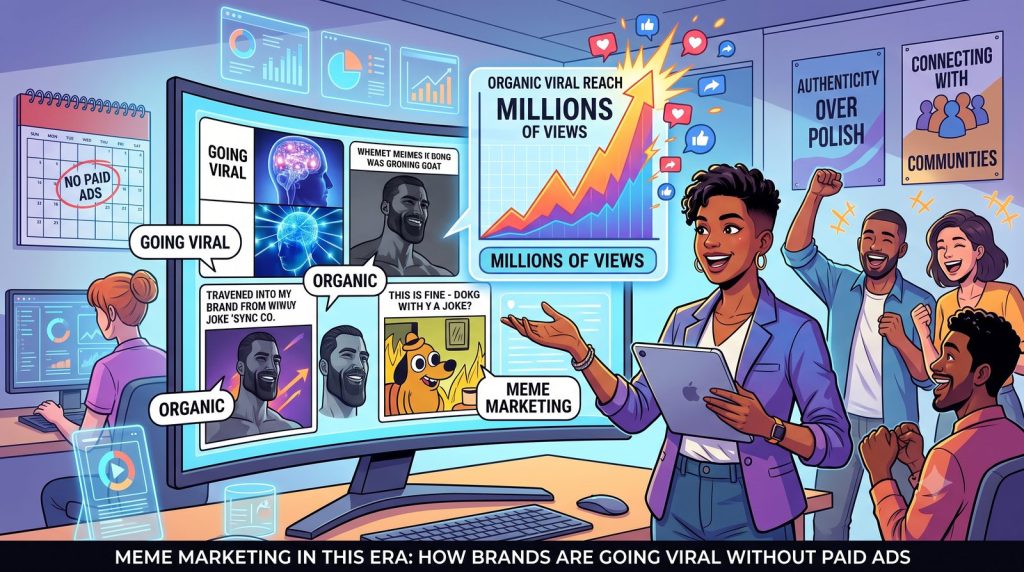
The brands winning attention in 2026 aren’t the ones with the biggest ad budgets — they’re the ones that understand culture. While competitors pour money into paid campaigns chasing diminishing returns, a growing number of brands are achieving massive organic reach through something far cheaper and, when done right, far more effective: memes.
This isn’t a fringe tactic anymore. Meme marketing has matured into a legitimate channel with its own best practices, and the brands doing it well are seeing engagement numbers that traditional ads simply can’t match. Here’s the playbook behind what’s actually working.
Why Memes Outperform Traditional Ads
Paid ads interrupt. Memes participate. That distinction explains almost everything about why meme marketing performs the way it does. A well-placed meme doesn’t feel like marketing at all — it feels like content the audience would have shared anyway, which is exactly why people share it.
There’s also a trust dimension. Audiences have become highly ad-resistant, especially younger demographics who’ve grown up filtering out traditional advertising almost instinctively. A brand that shows up with genuine humor and cultural fluency — rather than a sales pitch — earns attention that no amount of ad spend can buy.
“People don’t share ads. They share things that make them laugh, feel seen, or feel smart for getting the reference. Memes hit all three.”
The Anatomy of a Successful Brand Meme
Not every meme works, and the difference between a viral hit and an awkward miss usually comes down to a few consistent factors:
- Timing. Meme formats and trends have a short shelf life — often just days. Brands that move fast catch the wave; brands that move slowly look out of touch posting a format everyone has already moved on from.
- Authenticity to brand voice. The best brand memes still sound like the brand, just funnier and more relaxed. Forcing a meme format that doesn’t fit the brand’s actual personality tends to fall flat or feel try-hard.
- Self-awareness. The most successful brand meme accounts are willing to poke fun at themselves. This vulnerability is often what makes audiences trust and root for a brand rather than just tolerate it.
- Native formatting. A meme built specifically for the platform it’s posted on will always outperform a repurposed one. What works on Twitter/X often needs to be reshaped entirely for TikTok or Instagram.
Real Patterns We’re Seeing in 2026
A few trends stand out this year among brands successfully using meme marketing:
Micro-Niche Humor
Rather than chasing broad, generic meme formats, the highest-performing brand content in 2026 leans into hyper-specific in-jokes relevant to their exact audience. It reaches fewer people per post, but converts attention into loyalty far more effectively.
Customer-Generated Remixing
Brands that post memes flexible enough for their audience to remix and respond to are seeing significantly higher engagement than brands posting closed, one-way content. The meme becomes a conversation rather than a broadcast.
Cross-Platform Personality Consistency
The brands winning at meme marketing maintain a consistent voice and sense of humor across every platform, so their content feels recognizable no matter where a customer encounters it — while still adapting the format to each platform’s native style.
Getting Started Without Getting It Wrong
The biggest risk in meme marketing isn’t underperformance — it’s a poorly judged post that misreads the room or feels tone-deaf. Brands new to this channel should start conservatively: monitor trending formats closely, test with lower-stakes content first, and always have a second set of eyes review anything before it goes live.
Done well, meme marketing is one of the most cost-effective ways to build genuine brand affinity and organic reach available today. Done carelessly, it can just as easily damage a brand’s reputation. The difference almost always comes down to strategy, timing, and restraint — not just creativity.
At The Smart Tier, our meme marketing service handles exactly this — trend monitoring, brand-aligned content creation, and rapid, careful deployment — so your brand can tap into this channel without the guesswork or the risk of getting it wrong. If you’re curious whether meme marketing fits your brand, we’re happy to talk it through.